 Reviews

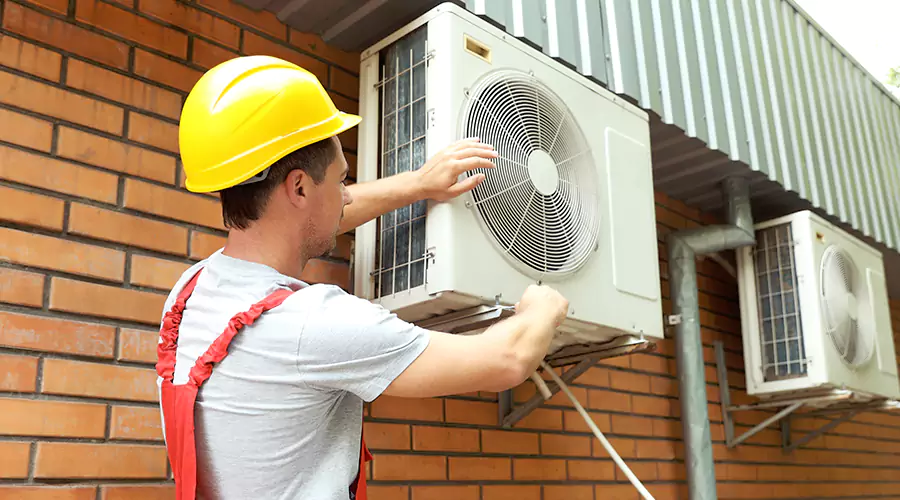
A professional HVAC inspection checks how well your system heats and cools and whether it operates safely. A technician reviews airflow and electrical parts and key components to find early signs of wear. This process helps identify small issues before they turn into costly repairs or system failure. Inspections also confirm that your equipment runs efficiently during seasonal demand. Instead of waiting for a breakdown you can plan service based on real system condition. Regular inspections improve comfort and reduce unexpected problems. They also help extend system life and give you a clear understanding of what your HVAC system needs next.
Why HVAC Inspections Matter?
HVAC systems operate under constant demand which causes gradual wear on components. Without inspection small issues can go unnoticed until performance drops or failure occurs.
Routine checks help maintain comfort and reduce the risk of unexpected breakdowns.
How Inspections Prevent Costly Problems?
A proper HVAC system inspection identifies early signs of damage and performance loss. This allows technicians to correct issues before they affect major components.
Preventive inspection helps reduce long term repair costs.
What Is Included in an HVAC Inspection Checklist?
A detailed HVAC inspection checklist helps technicians review the most important parts of the system. The exact checklist can vary by company, equipment type, and season.
Common inspection points include:
- Thermostat operation and settings.
- Air filter condition.
- Electrical connections.
- Indoor and outdoor equipment.
- Airflow at vents.
- Furnace or AC performance.
- Ductwork condition.
- Safety controls.
- Drain line condition.
A checklist helps make sure important steps are not missed.
Quick HVAC Inspection Overview
Here is a simple table showing what a technician may review during a visit.
| Inspection Area | What the Technician Checks |
|---|---|
| Thermostat | Accuracy, response, and settings |
| Airflow | Vent output and return air movement |
| Electrical parts | Wiring, capacitors, and connections |
| Cooling system | Coils, refrigerant, and drain line |
| Heating system | Burners, ignition, and safety controls |
| Ductwork | Leaks, damage, and airflow loss |
This gives homeowners a basic idea of what happens during the appointment.
Heating Inspection
Heating inspection focuses on system components responsible for producing and delivering heat. This includes checking combustion and airflow and safety controls. Reliable heating depends on proper operation of these parts.
What Technicians Check in Heating Systems?
A heating inspection includes testing burners and ignition systems and airflow components. These checks ensure safe and efficient heating performance. Early inspection helps prevent winter breakdowns.
Cooling Inspection
Cooling inspection prepares the system for warm weather demand. It focuses on components that affect cooling output and airflow. Proper preparation improves summer performance.
How Cooling Checks Improve System Efficiency?
A cooling inspection evaluates coils and refrigerant levels and electrical connections. These checks confirm the system can handle high temperatures. Inspection helps prevent performance loss during peak heat.
AC Inspection
AC inspection provides a detailed review of cooling equipment. It identifies issues that affect cooling efficiency and system reliability. This step is important before heavy seasonal use.
What Makes AC Inspection Important?
An ac inspection includes checking condenser units and evaporator coils and airflow systems. These components must work together for effective cooling. Inspection helps identify hidden performance issues.
Furnace Inspection
Furnace inspection ensures heating systems operate safely and efficiently. It focuses on combustion and airflow and control systems. Safety is a key priority during this process.
Key Safety Checks in Furnace Inspection
A furnace inspection includes evaluating heat exchanger condition ignition systems and venting. These checks help ensure safe operation. Regular inspection reduces heating risks.
Ductwork Inspection
Duct inspection evaluates how air moves through the home. Damaged or leaking ducts can reduce system performance. This step helps improve airflow distribution.
How Duct Condition Affects System Performance?
A ductwork inspection identifies leaks and blockages and poor connections. These issues reduce airflow and efficiency. Proper duct condition supports better comfort.
Thermostat Check
Thermostat check ensures accurate temperature readings and proper system response. Correct control helps maintain steady comfort and prevents unnecessary system strain.
How Thermostat Accuracy Impacts Comfort?
A thermostat check ensures correct temperature readings and system response. Proper calibration improves system performance. Correct settings help maintain consistent comfort.
Airflow Testing
Airflow testing measures how efficiently air moves through the system and helps identify restrictions. Proper airflow supports consistent comfort and efficient operation.
Why Airflow Balance Matters?
Airflow testing helps locate blockages and pressure issues within the system. Balanced airflow improves comfort and efficiency. Proper air movement supports system health.
Refrigerant Level Check
Refrigerant levels determine how well the system cools. Incorrect levels affect performance.
This check requires professional handling.
How Refrigerant Levels Affect Cooling Performance?
A refrigerant level check ensures proper cooling capacity and system efficiency. Low levels may indicate leaks. Accurate levels support effective operation.
Electrical HVAC Inspection
Electrical components control system operation. Faulty connections can lead to failure.
Inspection helps prevent electrical issues.
What Electrical Checks Include?
An electrical HVAC inspection reviews wiring and connections and system controls. These components must function safely. Early detection prevents system damage.
HVAC Safety Inspection
Safety inspection checks key components that protect your system and home from hazards. It ensures safety controls and shutoff features work correctly to maintain reliable operation.
Why Safety Checks Are Essential?
An HVAC safety inspection evaluates shutoff controls and gas connections and safety switches. These checks prevent hazardous conditions. Proper safety improves system trust.
HVAC Performance Test
Performance testing measures how well the system operates under normal conditions. It confirms system efficiency. This step provides valuable insights.
How Performance Testing Evaluates System Output?
An HVAC performance test checks temperature output and airflow and system cycles. These results show overall system health. Testing helps identify efficiency issues.
Residential HVAC Inspection
Residential inspections focus on comfort and safety within the home. They provide homeowners with useful system information. This helps with planning and maintenance.
What Homeowners Gain From Inspection?
A residential HVAC inspection offers insight into system condition and future needs. It helps guide repair and replacement decisions. Clear reporting improves understanding.
What to Expect During the Technician Visit?
A technician visit includes inspection and testing and explanation of findings. Communication is an important part of the process. Homeowners should receive clear information.
How Technicians Communicate Findings?
An HVAC technician visit includes reviewing system condition and explaining any issues found. Recommendations are provided based on inspection results. Clear communication helps decision making.
Seasonal and Maintenance Inspections
Seasonal inspections prepare your system before peak summer or winter demand. Maintenance inspections focus on keeping components clean and operating efficiently for reliable performance.
Why Regular Inspection Scheduling Matters?
A seasonal HVAC inspection ensures readiness for summer or winter. An HVAC maintenance inspection keeps components clean and functional. Routine checks reduce breakdown risk.
Working With a Local HVAC Inspector
Choosing a local professional improves service quality because they understand regional climate and common system issues. Experience helps them diagnose problems more accurately and provide faster service.
How to Choose a Reliable Inspector?
A local HVAC inspector should have proper licensing and consistent positive customer reviews. Clear communication and a detailed inspection process help ensure reliable system care.
Final Thoughts
An HVAC inspection gives homeowners important information about system condition, safety, airflow, and performance. It can catch small issues early and help prevent repair stress during extreme weather.
Schedule professional service before peak season, especially if your system has weak airflow, uneven temperatures, strange noises, or rising energy bills. A complete inspection can help keep your home comfortable and your HVAC system running with confidence.